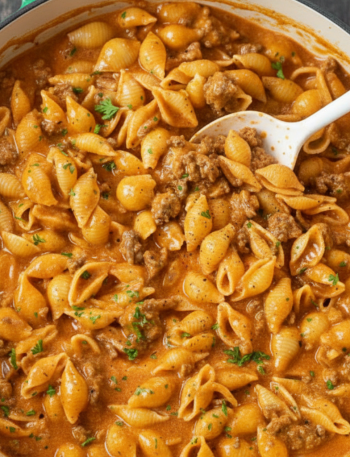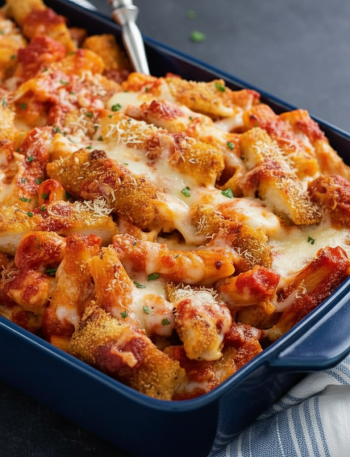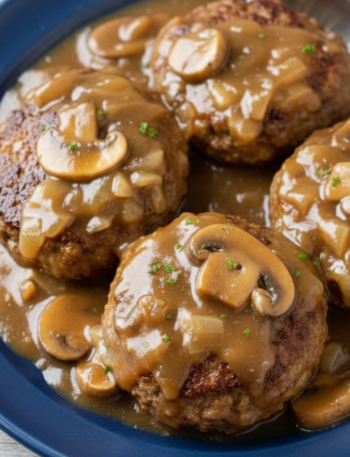
Some recipes exist on a spectrum between effort and reward, and the best ones sit so far toward the reward end that you almost feel like you cheated. This ground beef pasta is one of those. Thirty minutes from start to finish, a handful of ingredients that most people already have in the kitchen, and a sauce that genuinely tastes like it had time to develop and deepen rather than being thrown together on a Tuesday night under time pressure.
This is the kind of dish that gets requested again the following week. It has that quality where every component pulls together into something that feels more considered than the ingredient list would suggest, and it is the sort of meal that makes kids go back for seconds without being asked.
What Makes This Different From Every Other Ground Beef Pasta
It Is Not Just Meat Sauce
A lot of ground beef pasta recipes are essentially bolognese-adjacent: cooked beef with tomato sauce tossed over noodles. This one takes a different direction. The sauce gets a creamy finish from half and half, a hit of sharpness from good cheddar cheese stirred in off the heat, and Worcestershire sauce working quietly in the background to add savory depth that you might not be able to identify but would absolutely notice if it were missing.
The result sits somewhere between a meaty Italian tomato pasta and a cheesy American comfort dish, and that combination is exactly why it connects so well with such a wide range of people at the table.
Why Chicken Broth Instead of Beef
Using chicken broth rather than beef broth in the sauce is a choice worth explaining. Beef broth can make a tomato-based sauce taste heavier and more one-dimensional, especially when there is already a pound and a half of ground beef in the pan. Chicken broth has a lighter, cleaner profile that lets the tomato flavor come through clearly while still adding body and a savory base. It sounds like a small detail, but the sauce tastes noticeably brighter for it.
Pulling Your Ingredients Together Before You Start
The Five-Minute Setup That Saves You Grief Later
This recipe moves quickly once the beef hits the pan, so the few minutes you spend getting organized before you start cooking pay off immediately. Shred the cheese first and set it out at room temperature along with the half and half. Both of these go into a hot sauce near the end, and adding cold dairy to a hot pan is a reliable way to end up with a broken, grainy sauce. Taking them out of the fridge at the start of cooking is all it takes to avoid that problem.
Dice the onion, mince the garlic, and measure out your liquids and seasonings before turning on the stove. With everything within reach, the cooking process is genuinely smooth and unhurried.
Choosing Your Ground Beef
Eighty-five percent lean ground beef is the right call for a sauce-based pasta like this. It has enough fat to stay flavorful and moist through browning without releasing so much grease that you spend several minutes draining the pan. If you use something leaner, the meat can dry out a little and lose some of that richness that makes the sauce feel substantial. If the only beef you have is fattier, drain the grease thoroughly before the next steps or the sauce will sit in an oily film rather than being smooth and clingy.
Building the Sauce
Browning the Beef and Softening the Onion
Cook and crumble the ground beef over medium heat. Add the diced onion about halfway through so it has enough time to soften and become translucent without burning while the beef finishes cooking around it. Once the beef is fully cooked through, drain any excess grease, then add the minced garlic and give it a full minute in the pan. Garlic added straight to raw beef loses its impact; letting it cook briefly in the rendered fat from the drained pan picks up all those savory bits and blooms the flavor properly.
The Flour Step and Why It Matters
Add the salt, Worcestershire sauce, and flour to the beef and stir everything together, cooking it for about three minutes. The flour is optional, but it does something useful: it coats the meat and creates a base that helps the sauce thicken to a proper, clingy consistency rather than staying thin and watery when the liquid is added. Cooking the flour for those three minutes removes any raw, starchy taste so you get the thickening effect without any off flavor in the finished sauce.
Simmering the Sauce
Pour in the chicken broth and use a silicone spatula to scrape up anything stuck to the bottom of the pan. Add the tomato sauce and Italian seasoning, then bring everything up to a boil before reducing to a simmer. Let the sauce cook for fifteen minutes. This is not a long time, but it is enough for the flavors to settle into each other and for the sauce to reduce slightly and concentrate. Use this time to get your pasta water boiling.
Finishing With Cream and Cheese
Adding the Half and Half
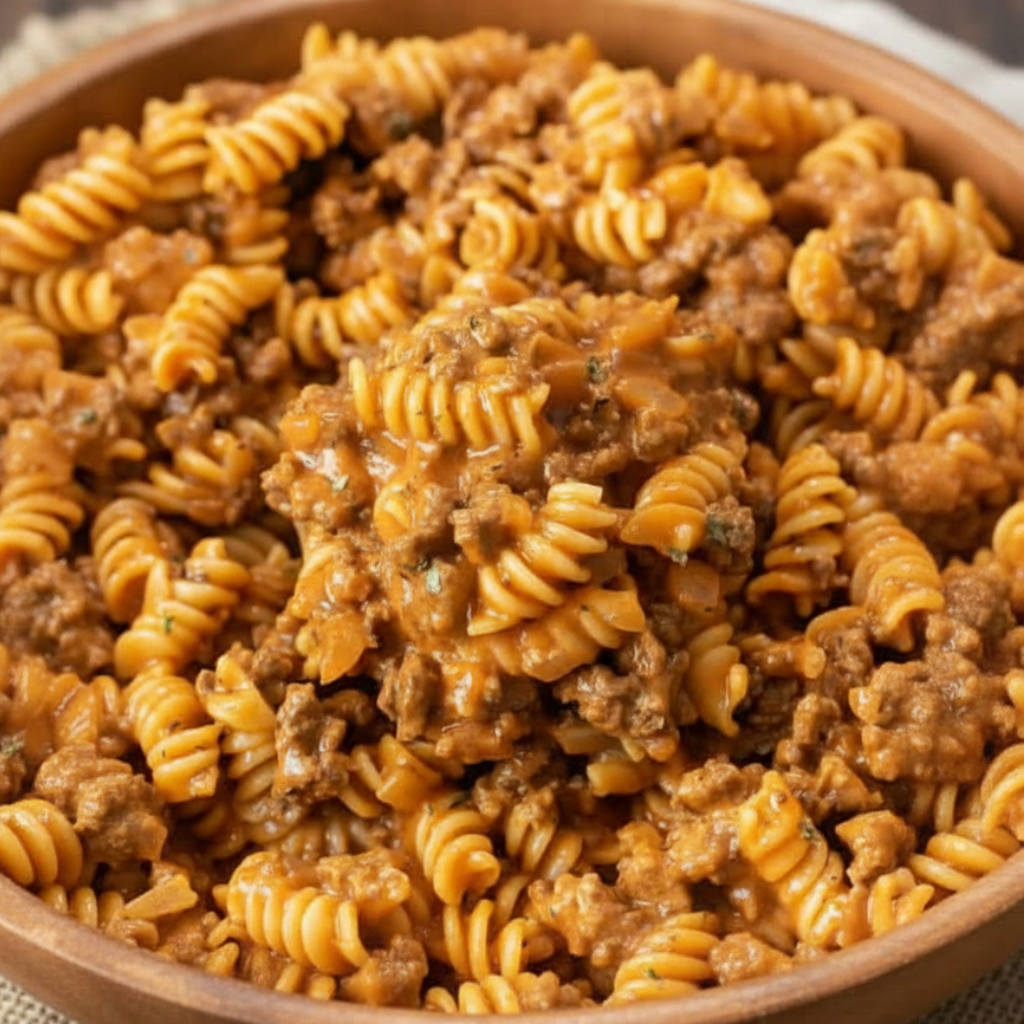
Once the sauce has simmered, add the half and half slowly while stirring, rather than pouring it all in at once. The gradual addition gives the hot sauce time to incorporate the dairy evenly without the temperature dropping too sharply. The sauce will turn from a deep red to a warm, slightly rosy tone as the cream works through it.
The Cheese Goes in Last, Off the Heat
Reduce the heat to low before the cheese goes in, and add it gradually in small amounts rather than dumping it all in at once. Sprinkling it in slowly while stirring lets each addition melt fully before the next goes in, which is what gives you a smooth, glossy sauce rather than clumps or a greasy puddle. If the pan is too hot when the cheese is added, the fat separates from the proteins and the sauce loses that silky texture you want. Low heat, gradual addition, and steady stirring are the three things that make the difference here.
Block cheese shredded at home melts noticeably better than pre-shredded. Bagged shredded cheese contains an anti-caking coating that resists melting and can make the sauce grainy. Extra sharp yellow cheddar is the variety that works best here: its sharpness cuts through the richness of the cream and balances the tomato without getting lost.
The Pasta
Shape Matters More Than You Might Expect
Rotini is the default choice for this recipe and it earns that spot. The spiral shape traps sauce in every crevice so each forkful carries a proper ratio of pasta to meaty, cheesy sauce. Shapes with similar properties work just as well: penne, rigatoni, ziti, cavatappi, and bowtie all have enough texture and surface area to hold onto a thick sauce rather than letting it slide off.
Long, smooth pasta like spaghetti or linguine is the one format that does not suit this dish as well. The sauce is too thick and chunky to cling evenly to long strands, and the eating experience is messier and less satisfying as a result.
Cooking the Pasta to the Right Texture
Cook the pasta according to the package instructions, aiming for al dente rather than fully soft. The pasta finishes absorbing moisture once it is stirred into the hot sauce, and if it is already at the soft end of cooked when it goes in, it will be overdone by the time it is served. Drain it well and add it directly to the sauce, folding everything together gently until the pasta is evenly coated.
Ground Beef Pasta
Ingredients
Equipment
Method
- Get Ready Before anything goes on the stove, shred the cheddar from a block and set it out alongside the half and half so neither is cold when they go into the sauce. Dice the onion and mince the garlic.
- Cook the Beef and Onion Add the ground beef to a large skillet over medium heat. Cook and crumble it, adding the diced onion about halfway through. Continue cooking until the onion is softened and the beef is fully cooked through, about 8 to 10 minutes total. Drain any excess grease from the pan.
- Add the Garlic Add the minced garlic to the pan and cook, stirring, for 1 minute until fragrant.
- Season and Build the Base Add the salt, Worcestershire sauce, and flour to the pan. Stir to coat the beef evenly and cook for about 3 minutes to remove the raw flour taste.
- Add the Liquid and Simmer Pour in the chicken broth and use a silicone spatula to scrape up any browned bits from the bottom of the pan. Add the tomato sauce and Italian seasoning and stir to combine. Bring to a boil, then reduce the heat to a simmer. Cook for 15 minutes. While the sauce simmers, bring a large pot of salted water to a boil and cook the rotini according to package directions until al dente.
- Add the Cream Slowly pour in the half and half while stirring continuously. The sauce will lighten in color as the cream incorporates.
- Melt in the Cheese Reduce the heat to low. Gradually sprinkle in the shredded cheddar in small amounts, stirring after each addition until fully melted before adding more. Keep the heat low to avoid the sauce breaking.
- Combine and Serve Drain the pasta and add it to the skillet. Fold everything together until the pasta is evenly coated in the sauce. Serve immediately with garlic bread on the side.
Notes
- Always shred cheese from a block. Pre-shredded bagged cheese contains a coating that prevents smooth melting and can make the sauce grainy or clumpy.
- Set the half and half and shredded cheese out at room temperature before you start cooking. Adding cold dairy to a hot sauce can cause it to break or curdle.
- The flour is optional but recommended. It helps the sauce thicken to a clingy, substantial consistency rather than staying thin. Cook it for the full 3 minutes to eliminate any raw flavor.
- Penne, rigatoni, ziti, cavatappi, and bowtie pasta all work well in place of rotini. Choose shapes with texture that can hold onto a thick sauce.
- Whole milk can substitute for half and half but the sauce will be slightly thinner. Add it over low heat and slowly to avoid curdling. Heavy cream can also be used for a richer result.
- Optional additions to the sauce include drained diced tomatoes, frozen peas, corn, or diced carrots added during the simmer stage.
- Refrigerate leftovers in an airtight container for up to 3 to 4 days. Reheat on the stovetop over low heat with a splash of broth or water to loosen the sauce.
- Freeze in portioned containers for up to 3 months. Thaw overnight in the fridge and reheat gently on the stovetop.
Adapting the Recipe to What You Have
Dairy Substitutions
If half and half is not available, whole milk can be used in its place. It will produce a slightly thinner, less rich sauce, but the difference is modest and the result is still very good. Reduce the heat to low before adding it and add it slowly to avoid curdling. Heavy cream is the richer alternative if you want a more indulgent result: it thickens the sauce further and gives it a deeper, silkier texture.
Plain Greek yogurt is a substitution that several people have used with good results, particularly as a lighter option. It adds a faint tang that works well against the tomato and cheese, and the sauce comes out notably creamy.
Adding Vegetables
This sauce is forgiving enough that a few additions integrate easily without changing the character of the dish. A can of drained diced tomatoes stirred in with the tomato sauce adds texture and a little freshness. Frozen peas, corn, or diced carrots can be added during the simmering stage and cook through in the residual heat. A handful of baby spinach wilted in right before serving adds color and nutrition without altering the flavor in any significant way.
Swapping the Protein
Ground turkey works as a direct substitute and keeps the dish leaner. The sauce will be slightly less rich since turkey has less fat than beef, so consider adding a touch more Worcestershire sauce and being generous with the seasoning to compensate. Italian sausage, either sweet or mild, is another option worth trying: it brings its own seasoning to the pan and gives the sauce a distinctly different, slightly spiced character that pairs very well with the cheddar and cream.
What to Put on the Table Alongside It
The classic pairing is garlic bread, and there is a reason it comes up every time. Something crunchy and buttery alongside a saucy pasta gives you texture contrast and a way to scoop up any sauce left in the bowl. A simple green salad with an acidic vinaigrette dressing is the other natural companion, cutting through the richness of the cream and cheese in a way that makes the whole meal feel more balanced. A baguette sliced and toasted with butter serves the same purpose as garlic bread if you want something a little more casual.
Keeping and Reheating Leftovers
In the Refrigerator
Store leftovers in a sealed airtight container and refrigerate for up to three to four days. The pasta will continue to absorb the sauce as it sits, so leftovers will be thicker than when the dish was first made. When reheating on the stovetop, add a small splash of chicken broth or water and stir over low heat until warmed through and the sauce has loosened back to the right consistency. The microwave works for individual portions: cover loosely, heat in short intervals, and stir in between.
In the Freezer
This freezes well for up to three months. Portion it into freezer-safe containers and thaw overnight in the refrigerator before reheating gently on the stovetop with a little added liquid. Cream-based sauces can look slightly separated after freezing, but steady stirring over low heat with a splash of broth usually brings everything back together without much trouble.

Hi, I’m Josie Erin. At TheRecipeBites, I turn simple, everyday ingredients into flavorful bites that make every meal memorable. I believe great food doesn’t have to be complicated it just needs the right balance of flavor, creativity, and love. From quick weeknight dinners to sweet treats worth sharing, I’m here to help you cook with confidence and enjoy every bite.