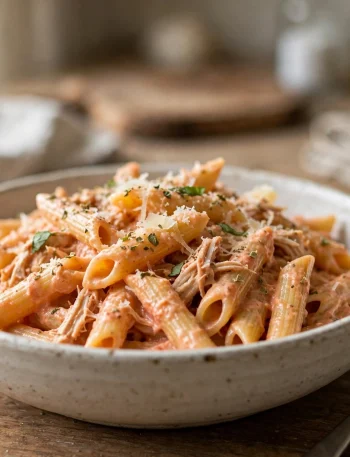
There are evenings when a rich, comforting bowl of pasta is exactly what the table calls for. Creamy tomato pasta sits right at the crossroads of simplicity and indulgence. It carries the brightness of tomatoes, the silkiness of cream, and the warmth of garlic and herbs, all wrapped around tender pasta. This is the kind of dish that feels both effortless and thoughtfully prepared, the kind you can make on a busy weeknight yet proudly serve to guests.
As a chef, I often return to this recipe because it delivers consistent depth of flavor without demanding complicated techniques. The key lies in layering flavors properly and allowing the sauce to simmer just long enough to become smooth and balanced. When done right, the result is a velvety tomato cream sauce that clings beautifully to every piece of pasta.
Selecting the Foundation: The Ingredients
Before we turn on the stove, we must look at what is sitting on the counter. Every ingredient in this recipe plays a functional role in the final texture and taste.
The Pasta Choice
For this specific sauce, a thin spaghetti is the ideal vessel. The delicate nature of the thin strands allows the sauce to coat them entirely without overwhelming the palate with too much starch. While you could certainly use penne or rigatoni, there is something elegant about the way thin spaghetti carries this velvety tomato base. If you decide to use a different shape, ensure it has some texture or a hollow center to trap the sauce.
The Tomato Base
We are using diced tomatoes with their juices intact. This provides the bulk of the sauce and ensures we have enough liquid to let the flavors meld during the simmering process. The tomato paste is equally important. It serves as a concentrator, adding a punch of deep, cooked-down tomato flavor that balances the fresh brightness of the canned diced tomatoes. Using high-quality tomatoes is non-negotiable here. Look for brands that are known for their sweetness rather than their metallic aftertaste.
The Role of Broth and Aromatics
Freshly minced garlic is the engine of this dish. Pre-chopped garlic in jars often loses the pungent oils that make a sauce vibrant. By mincing it yourself, you ensure that the initial sauté provides a strong foundation. The chicken broth acts as our thinning agent. It carries the savory notes through the sauce and allows it to reduce without becoming overly salty or cloying.
The Creamy Components
Instead of the standard heavy cream seen in many recipes, we are utilizing softened cream cheese and finely grated Parmesan. The cream cheese provides a structural integrity to the sauce, helping it to thicken and stay smooth. The Parmesan adds the necessary salt and a nutty finish that ties the acidity of the tomatoes to the richness of the cheese.
The Chemistry of a Balanced Sauce
In a professional kitchen, we often talk about the balance of salt, fat, and acid. Tomatoes provide the acid. The olive oil, cream cheese, and Parmesan provide the fat. The broth and seasoning provide the salt. When these three elements are in harmony, the dish becomes addictive. If the sauce feels a bit flat, it usually needs a tiny pinch more of salt or a touch more red pepper flakes to wake up the taste buds.
Simmering is not just about heating the food. It is about evaporation and concentration. As the sauce bubbles gently for five minutes, the water content in the tomatoes and broth reduces, leaving behind a more intense flavor profile. This is when the herbs, specifically the dried oregano and basil, have time to bloom. Dried herbs are more concentrated than fresh ones, and they require that short simmer to release their oils into the liquid.
Step by Step Cooking Instructions
Cooking is a process of building layers. We start with the aromatics and end with the emulsification.
Preparing the Foundation
Begin by bringing a large pot of water to a rolling boil. Salt the water generously. It should taste like the sea. While the water is reaching its peak, place a large skillet over medium-high heat and add one tablespoon of olive oil. Once the oil is shimmering but not smoking, add a tablespoon of finely minced garlic. You only want to cook the garlic for about sixty to ninety seconds. It should become fragrant and turn a pale golden color. If it turns dark brown, it will become bitter and you will need to start over.
Developing the Tomato Core
As soon as the garlic is ready, pour in the fourteen and a half ounces of undrained diced tomatoes. Follow this immediately with your seasonings: half a teaspoon of dried oregano, half a teaspoon of dried basil, a quarter teaspoon of salt, and an eighth of a teaspoon of pepper. If you enjoy a bit of warmth, add a pinch of red pepper flakes now.
Stir in the two tablespoons of tomato paste and one cup of chicken broth. Use your spoon to break up the tomato paste so it dissolves completely into the liquid. Bring this mixture to a gentle simmer and let it cook for approximately five minutes. This allows the tomatoes to soften and the flavors to unify.
Achieving the Perfect Creaminess
Once the sauce has simmered and slightly thickened, reduce your heat to low. This is a critical step. High heat can cause cheese to become stringy or grainy rather than smooth. Take your two ounces of softened cream cheese and cut it into small squares. Whisk these squares into the tomato base until they have completely melted and the sauce has turned a beautiful shade of pink.
Now, take half of your half-cup of grated Parmesan cheese and whisk it into the pan. Keep the other half for serving. The sauce should be glossy and thick enough to coat the back of a spoon.
The Final Integration
While the sauce is staying warm on low heat, drop your eight ounces of thin spaghetti into the boiling water. Cook it according to the package directions, but I suggest checking it a minute early. You want it al dente, which means it should still have a slight bite in the center.
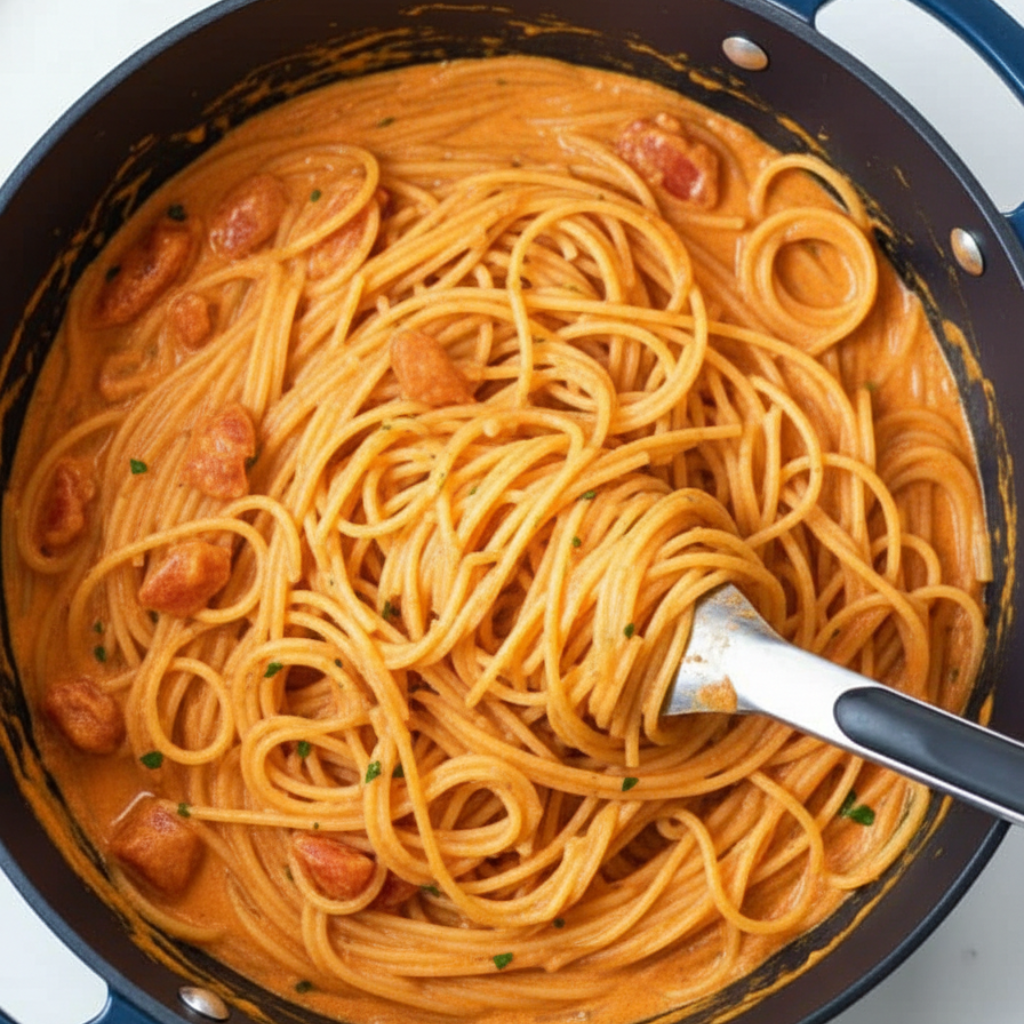
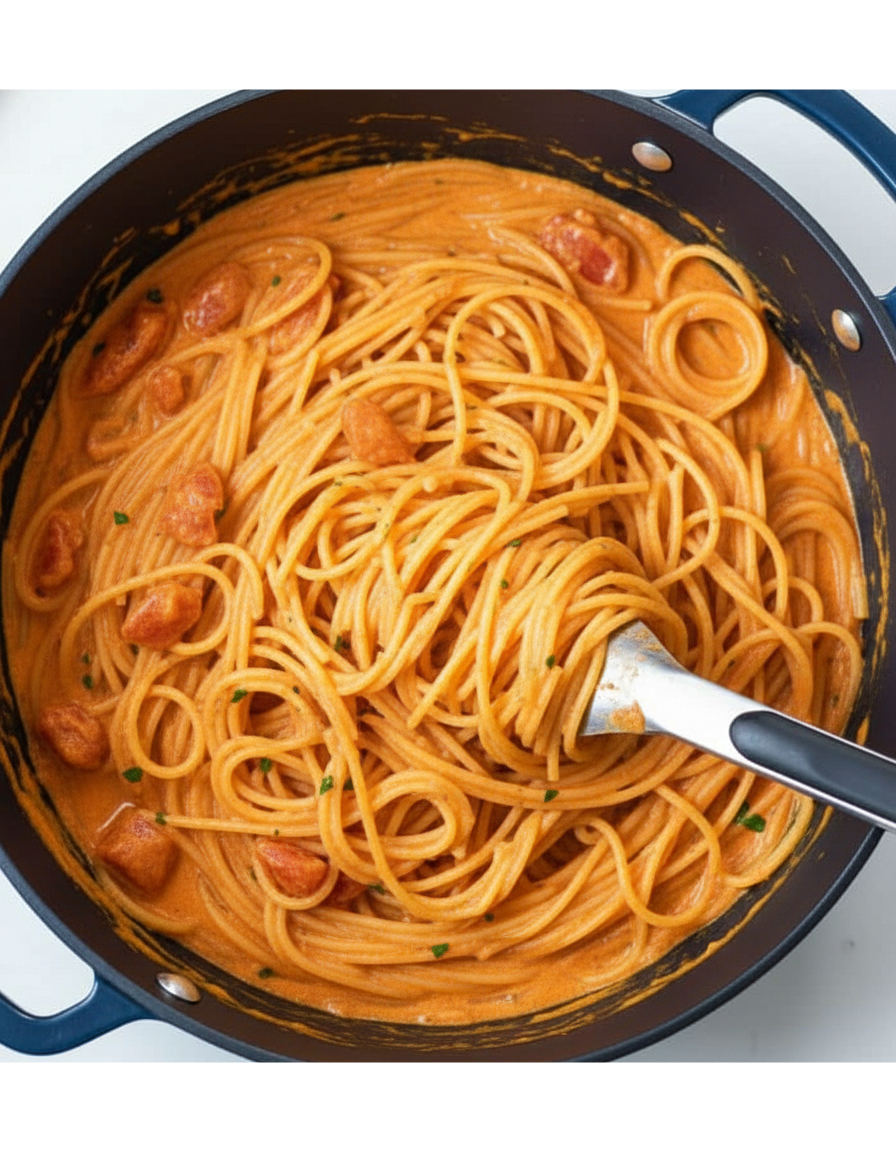
Drain the pasta well. Do not rinse it. The starch on the outside of the noodles is what helps the sauce stick to them. Stir the hot spaghetti directly into the skillet with the sauce. Toss it gently with tongs until every strand is enveloped in that creamy tomato mixture. If the sauce seems too thick, you can add a small splash of the pasta cooking water to loosen it.
Creamy Tomato Pasta
Ingredients
Equipment
Method
- Start the Pasta WaterFill a large pot with water and add a generous amount of salt. Bring it to a rolling boil. You will cook the spaghetti later in the process to ensure it is hot and fresh when the sauce is ready.
- Sauté the AromaticsPlace your skillet over medium-high heat and add the olive oil. Once the oil is warm, stir in the minced garlic. Cook the garlic for about sixty to ninety seconds until it is fragrant and light gold. Be careful not to let it turn brown.
- Build the Sauce BaseAdd the undrained diced tomatoes to the skillet. Stir in the tomato paste, chicken broth, oregano, basil, salt, pepper, and red pepper flakes. Use your spoon to blend the tomato paste into the liquid until it is smooth.
- Simmer and ReduceBring the tomato mixture to a gentle simmer. Let it cook for five minutes. This short reduction period allows the liquid to thicken slightly and the flavors of the dried herbs to fully develop.
- Incorporate the Creamy ElementsReduce the heat to low. Add the softened cubes of cream cheese to the skillet and whisk them into the sauce until they are completely melted. Once the sauce is a consistent pink color, whisk in half of the Parmesan cheese until smooth.
- Cook the PastaDrop the thin spaghetti into the boiling water. Cook it according to the package instructions until it is al dente. This usually takes about six to seven minutes. Drain the pasta well but do not rinse it.
- Combine and FinishAdd the hot spaghetti directly into the skillet with the sauce. Use your tongs to toss the pasta gently until every strand is thoroughly coated. If the sauce seems too thick, you can add a small splash of the pasta water.
- ServingDivide the pasta into bowls and top with the remaining Parmesan cheese. For the best presentation, garnish with a few fresh herbs if you have them available.
Notes
Refining the Presentation
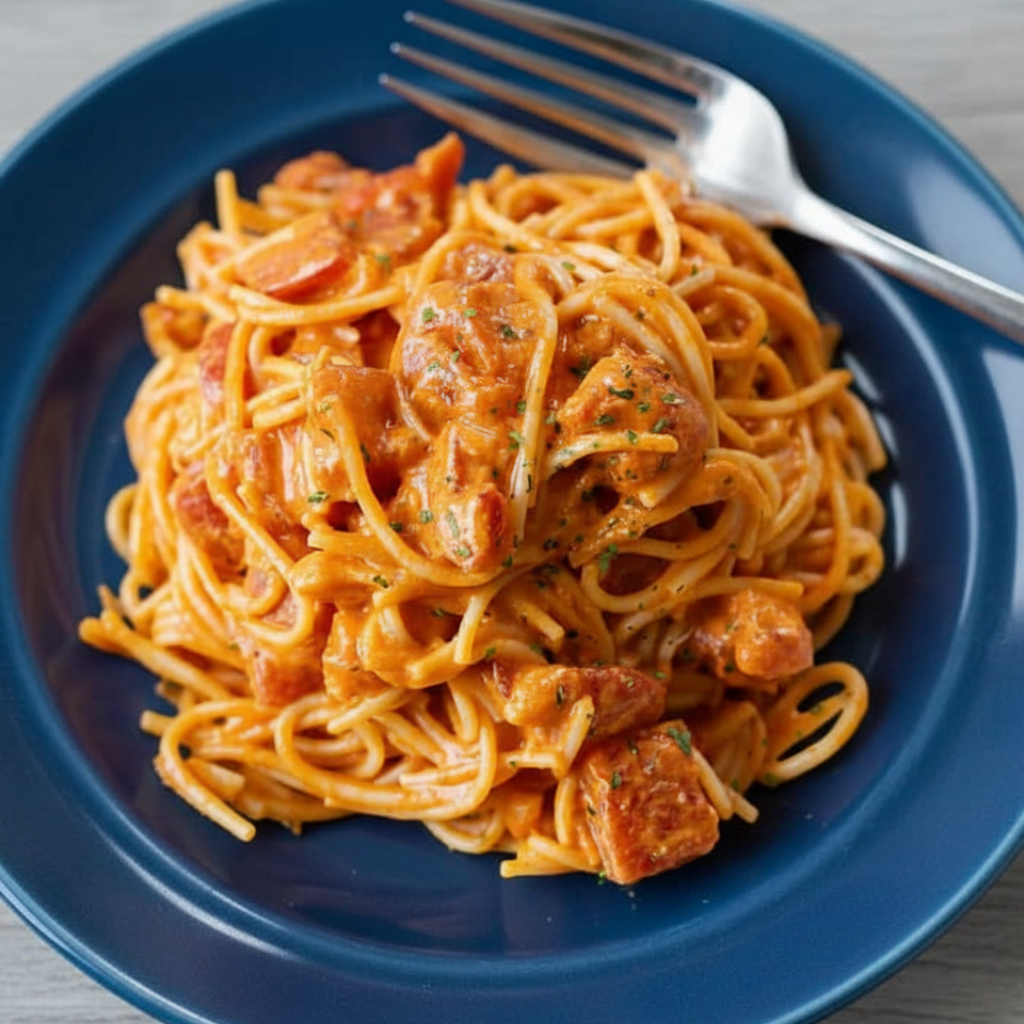
A chef knows that we eat with our eyes first. When serving this creamy tomato pasta, use a large fork or tongs to twirl a portion into a high mound in the center of the bowl. This creates a vertical presentation that looks professional and keeps the heat trapped within the pasta.
Sprinkle the remaining Parmesan cheese over the top. The residual heat from the pasta will slightly melt the cheese, creating a beautiful contrast against the pink sauce. If you have fresh parsley or basil in the kitchen, a quick chiffonade of those herbs adds a pop of color and a fresh aroma that complements the dried herbs used in the cooking process.
Variations and Professional Additions
While this recipe is a masterpiece in its simple form, it is also a highly versatile canvas. Depending on the season or what you have available, you can easily adjust the profile.
Incorporating Proteins
If you want to make this a heartier meal, pan-seared shrimp or sliced grilled chicken are natural companions. I prefer to cook the protein separately and place it on top of the finished pasta to maintain the texture of the meat and the integrity of the sauce. For a more rustic approach, you can brown some ground turkey at the very beginning before you add the garlic.
Enhancing with Vegetables
Greens are an excellent addition to this dish. A few handfuls of fresh baby spinach can be folded into the sauce at the very end. The heat of the pasta will wilt the spinach in seconds without overcooking it. Sautéed mushrooms or roasted bell peppers also pair beautifully with the cream cheese base. If you decide to add mushrooms, sauté them in the olive oil before adding the garlic to ensure they get a nice brown crust.
Troubleshooting the Sauce
Even the best cooks occasionally run into issues. If your sauce looks like it is breaking or separating, it is usually because the heat was too high when the cheese was added. You can often fix this by adding a tablespoon of hot pasta water and whisking vigorously over very low heat.
If the sauce tastes too acidic, it might be the brand of tomatoes you used. A tiny pinch of sugar can help balance the acidity of the tomatoes and the tang of the cream cheese. Conversely, if the sauce feels too heavy, a tiny squeeze of lemon juice at the very end can brighten the entire dish.
Storage and Reheating Recommendations
Pasta is always best enjoyed immediately, but this recipe holds up surprisingly well for leftovers. Store any remaining pasta in an airtight container in the refrigerator for up to three days.
When it comes time to reheat, avoid the microwave if possible. The microwave can cause the oils in the cheese to separate, leaving you with an oily mess. Instead, place the pasta in a small skillet over medium-low heat. Add a tablespoon of broth or water to help reconstitute the sauce and toss it gently until it is heated through. This will restore the creamy texture that makes this dish so special.
Closing Thoughts
The beauty of this creamy tomato pasta lies in its accessibility. It proves that you do not need a culinary degree to produce a meal that tastes like it came from a high-end bistro. It is about understanding the ingredients and following the steps with care. By focusing on the sauté of the garlic, the reduction of the tomatoes, and the gentle melting of the cheeses, you create a dish that is far greater than the sum of its parts. This has been a staple in my rotation for years because it never fails to satisfy that craving for something warm, rich, and truly comforting.

Hi, I’m Josie Erin. At TheRecipeBites, I turn simple, everyday ingredients into flavorful bites that make every meal memorable. I believe great food doesn’t have to be complicated it just needs the right balance of flavor, creativity, and love. From quick weeknight dinners to sweet treats worth sharing, I’m here to help you cook with confidence and enjoy every bite.