The first time someone told me to skip browning the meatballs and just drop them raw into the slow cooker, I did not believe it would work. Browning felt like a non-negotiable step, the thing that sealed the outside and kept everything from turning into a pile of crumbled beef floating in marinara. So I tried it skeptically, fully expecting to lift the lid three hours later and find disaster.
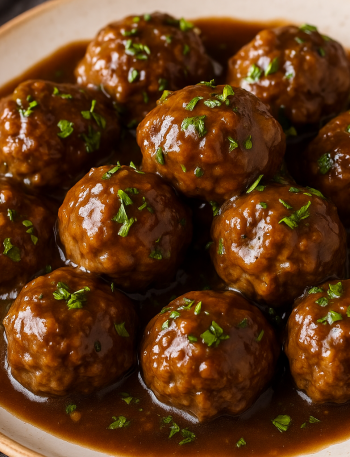
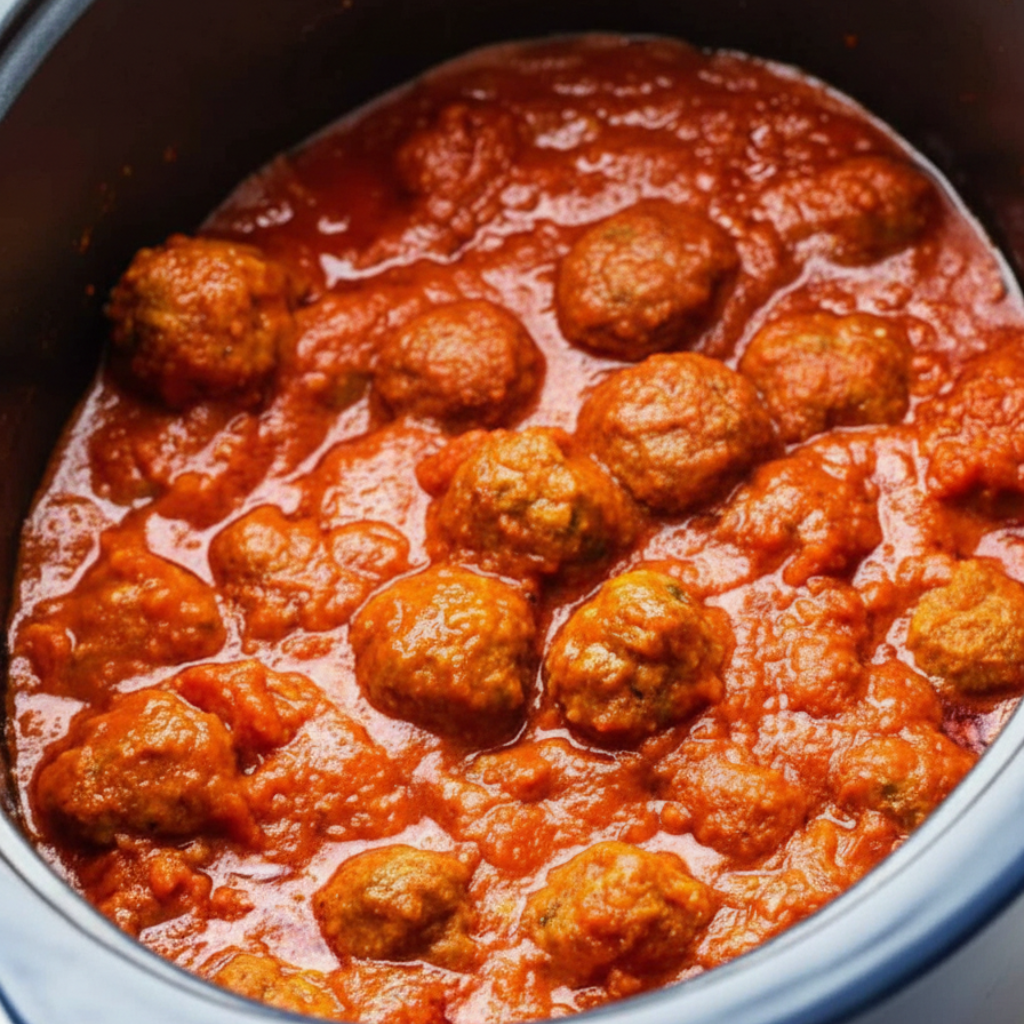
What I found instead was a slow cooker full of plump, tender, beautifully intact meatballs sitting in a deep, fragrant sauce. They had held their shape perfectly. The texture was softer and more yielding than any pan-browned meatball I had made before. That was the last time I questioned the method.
Why the Slow Cooker Works So Well for Meatballs
Gentle Heat Is the Secret to Tenderness
Most cooking methods for meatballs involve some degree of high heat, whether that is a hot oven, a searing skillet, or a rolling simmer on the stovetop. All of those methods work, but they also push moisture out of the meat fairly aggressively. The slow cooker operates at a much lower temperature over a longer period, which means the proteins in the beef tighten gradually rather than all at once. The result is a meatball that stays genuinely moist and tender all the way through rather than having a dry interior hidden under a browned exterior.
No Browning Needed, and Here Is Why
Browning creates flavor through a process called the Maillard reaction, where heat causes proteins and sugars on the surface of the meat to transform into hundreds of new flavor compounds. That browned crust tastes good on its own, but in a meatball that spends two to three hours submerged in marinara sauce, the flavors from the sauce permeate the meat so completely that the crust becomes largely irrelevant. The sauce carries the flavor, the slow heat develops the texture, and the result is something that holds up beautifully without the extra step.
Building Meatballs That Actually Stay Together
The Role of Each Ingredient
Every component in the meatball mixture is there for a reason. The egg is the primary binder, holding the meat and breadcrumbs together as everything cooks. Beating the egg lightly before adding it to the mixture is worth doing because it helps the egg distribute more evenly through the meat without requiring you to overwork the mixture trying to incorporate it.
The breadcrumbs serve two purposes: they add bulk and they absorb moisture from the egg and the fat in the meat during cooking, which creates a slightly softer, more yielding texture in the finished meatball. Italian-seasoned breadcrumbs contribute flavor on top of that. Plain breadcrumbs work equally well if Italian is not available.
Parmesan cheese is not just seasoning here. It adds fat, salt, and a subtle sharpness that seasons the mixture from the inside out in a way that just adding extra salt cannot replicate.
Mincing the Onion Finely Matters
Half a cup of minced onion goes into the mixture, and the size of the mince is important. Large chunks of onion inside a meatball do two things: they create weak points in the structure of the ball that can cause it to crack or split, and they leave soft, identifiable pieces of onion in the finished meatball that many people find texturally distracting. Finely minced onion essentially disappears into the meat as it cooks, contributing its sweetness and savory depth without announcing itself.
The One Thing That Ruins Meatballs
Overworking the meat mixture is the single most reliable way to end up with dense, rubbery meatballs. As soon as the proteins in ground beef are worked repeatedly, they start to link together and tighten, and no amount of cooking will undo that. Mix the ingredients together with your hands until everything is just combined, meaning no visible streaks of egg or unincorporated breadcrumbs, and then stop immediately. The mixture will look slightly rough and irregular and that is exactly right.
Choosing Your Meat
Why 80% Lean Ground Beef Works Best
The fat content in the beef directly affects how the finished meatball eats. Eighty percent lean beef has enough fat that the meatballs stay moist and rich through the long, slow cook time without drying out or becoming grainy. Leaner beef, particularly anything above 90% lean, tends to produce a drier, slightly tougher meatball because there is not enough fat to compensate for the moisture lost during cooking. If leaner beef is all that is available, consider mixing it with a fattier meat rather than using it on its own.
Mixing in Other Meats
One of the most well-regarded approaches to Italian meatballs is using a combination of meats. Equal parts ground beef and ground veal is a classic duo that produces a meatball with more complex flavor and a noticeably richer texture than beef alone. The veal adds tenderness, and the beef provides the backbone.
Ground turkey or ground chicken can be incorporated for a leaner result, though these need a little more attention. They are both lower in fat than beef and therefore more prone to drying out. If using poultry, consider adding an extra tablespoon of olive oil to the mixture or being especially careful not to exceed the recommended cook time.
Slow Cooker Meatballs
Ingredients
Equipment
Method
- Mix the meatball ingredients. Combine the ground beef, beaten egg, breadcrumbs, minced onion, Parmesan, garlic, salt, pepper, and Italian seasoning in a large bowl. Use your hands to mix until everything is just combined — do not overwork the mixture. The mixture will look slightly rough and that is correct.
- Form the meatballs. Roll the mixture into balls approximately 1½ inches in diameter (about the size of a golf ball). You should get around 24 meatballs. For perfectly even meatballs, use a medium cookie scoop.
- Layer in the slow cooker. Pour about one-third of the marinara sauce into the bottom of the slow cooker. Arrange the meatballs in a single layer (or stacked if needed), then pour the remaining sauce over the top to fully cover them.
- Do not stir. Leave the slow cooker undisturbed — stirring before the meatballs have set is the most common reason they fall apart. The sauce will naturally seep down around the meatballs as the cooker heats up.
- Cook on HIGH for 2½ to 3 hours, or on LOW for 5 to 6 hours. Avoid lifting the lid during cooking as this releases heat and extends the cook time.
- Check for doneness. Use an instant-read thermometer to check the internal temperature of the largest meatballs in the center of the slow cooker. They are done when they reach 160°F (71°C). Do not rely on color alone, as the acidic sauce can affect how the meat looks inside.
- Serve immediately over spaghetti with plenty of the cooking sauce, as meatball subs, or straight from the slow cooker set to ‘Warm’ as an appetizer with toothpicks.
Notes
The Marinara Sauce
Homemade Versus Store-Bought
The quality of the marinara sauce matters more in this recipe than it would in a dish where the sauce is just a finishing element. Because the meatballs spend hours cooking directly in the sauce, they absorb its flavor throughout. A thin, sweet, or overly salty jarred sauce will produce a noticeably different result than a well-made marinara with balanced acidity and depth.
Homemade marinara is the best option if you have the time and inclination. A good jar of marinara from the store works perfectly well too, just look for one made with simple, quality ingredients rather than one loaded with added sugar. Using fifty-six ounces total, roughly two standard jars, gives enough sauce to fully cover the meatballs and ensure they cook evenly and stay moist throughout.
Do Not Stir Before Cooking
Once the meatballs are arranged in the slow cooker and the sauce is poured over the top, leave it alone. Stirring before the meatballs have had a chance to set and firm up in the heat is the most common reason for them breaking apart. The sauce will seep down around the meatballs naturally as everything heats up. There is no need to help it along.
Getting the Timing Right
High Versus Low
On the high setting, the meatballs need two and a half to three hours. On low, they need five to six hours. Both produce good results. The low and slow method gives the sauce more time to develop and concentrate, and the meatballs end up with an even more tender texture. The high setting is perfectly suitable when time is shorter and still produces meatballs that are far more tender than anything made quickly on the stovetop.
How to Tell When They Are Done
The only reliable way to confirm doneness is an instant-read thermometer. Ground beef meatballs are safe to eat and properly cooked when the internal temperature reaches 160 degrees Fahrenheit. Checking a couple of the larger meatballs in the center of the slow cooker, which will take the longest to cook through, will give you an accurate read. Color is not a reliable indicator with slow-cooked meatballs because the steam and acidic environment of the sauce can affect how the meat looks internally.
Doubling the Recipe for a Crowd
This is one of the most practical things about slow cooker meatballs: scaling up is completely straightforward. Double the meatball mixture, arrange the first layer in the slow cooker, pour over some of the sauce, then add the second layer of meatballs and cover with the remaining sauce. It is fine to stack them. Add about twenty extra minutes to the cook time to account for the larger mass of meat coming up to temperature, and verify doneness with a thermometer before serving.
A double batch made with around three pounds of beef will comfortably feed a crowd alongside two pounds of cooked pasta, making this one of the most efficient large-format dinner options available when you need to feed a lot of people without spending all day in the kitchen.
Making Them Ahead of Time
Preparing the Night Before
If you want to have everything ready to go in the morning with no prep, form the meatballs the evening before and arrange them on a rimmed baking sheet in a single layer. Cover tightly with plastic wrap or foil and refrigerate overnight. In the morning, transfer them directly to the slow cooker, add the sauce, and add an extra twenty minutes to the cook time since the meatballs are starting cold rather than at room temperature.
This is particularly useful when you are planning a dinner that needs to be ready right when people arrive. The slow cooker does its work unattended while everything else gets done.
Ways to Serve Slow Cooker Meatballs
Over Pasta
The most natural destination for these meatballs is a bowl of spaghetti with plenty of the cooking sauce ladled over the top. The sauce that develops in the slow cooker after hours of cooking with the meat is richer and more deeply flavored than the marinara you started with. It would be a mistake to use only a small amount of it.
As Meatball Subs
Crusty hoagie rolls filled with a few meatballs, covered in sauce, and finished with a layer of provolone or mozzarella that gets melted under the broiler is one of the best sandwiches a slow cooker can produce. The meatballs are soft enough to compress slightly into the bread without falling apart, which makes each bite easy to eat.
As an Appetizer
For parties, these meatballs work beautifully as finger food served directly from the slow cooker set to warm, with toothpicks alongside. They hold their temperature well and the slow cooker keeps the sauce from thickening too much as they sit. Served this way, the batch comfortably works as an appetizer for a larger group than it would as a main course.
Storing and Freezing
Refrigerator Storage
Leftover meatballs keep in an airtight container in the refrigerator for up to three days. Store them with as much of the sauce as possible, since it keeps the meatballs moist and prevents them from drying out. Reheat gently on the stovetop over low heat or in the microwave in short intervals, stirring between each one.
Freezing for Later
This recipe is genuinely excellent freezer food. Let the meatballs and sauce cool completely before portioning into freezer-safe containers. They keep well for up to three months. Thaw overnight in the refrigerator and reheat on the stovetop over low heat, adding a splash of water or extra marinara if the sauce has thickened during freezing. Having a container of these already made and sitting in the freezer is one of the more useful things you can do for yourself on a future busy weeknight.

Hi, I’m Josie Erin. At TheRecipeBites, I turn simple, everyday ingredients into flavorful bites that make every meal memorable. I believe great food doesn’t have to be complicated it just needs the right balance of flavor, creativity, and love. From quick weeknight dinners to sweet treats worth sharing, I’m here to help you cook with confidence and enjoy every bite.